Marist men’s soccer has recruited players from professional academies, four-year universities and numerous countries around the world. Junior colleges, however, have rarely been a part of the pipeline.
Junior midfielder Nathan Karanganwa is one of the very few Red Foxes to take that route. His path from Quebec City, Canada, to Division I soccer ran through Iowa Western Community College, nearly 1,500 miles away from his hometown.
Before Iowa Western, Karanganwa played club soccer in Quebec, where he attended Cardinal-Roy Secondary School. After graduating, Karanganwa spent a year in CEGEP — the Quebec educational system that bridges secondary school and university.
But when Karanganwa began looking for a way to continue his soccer career, he felt his options close to home had become limited.
With no clear pathway in front of him, Karanganwa attended a college showcase filled with coaches from the United States. Iowa Western’s associate head coach Cesar Herrera was among them, and soon after, Karanganwa was on his way to Council Bluffs, Iowa.
The move marked Karanganwa’s first time living away from home, adding another layer of pressure to an already uncertain path to continue playing.
“It was rough at first,” Karanganwa said. “I was away from my family for the first time… I was 17 in the middle of nowhere”.
Karanganwa eventually found comfort in his teammates, many of whom were going through the same challenges of being far from home.
“We were a team of internationals,” said Karanganwa. “We all shared the same struggles”.
While adjusting to life away from home presented one challenge, adapting to college soccer brought another. Iowa Western’s program quickly exposed him to the demands of college soccer, part of the plan of preparing players with aspirations of continuing their careers at four-year programs.
“Down there, they really get you ready for making the jump to D1,” said Karanganwa.
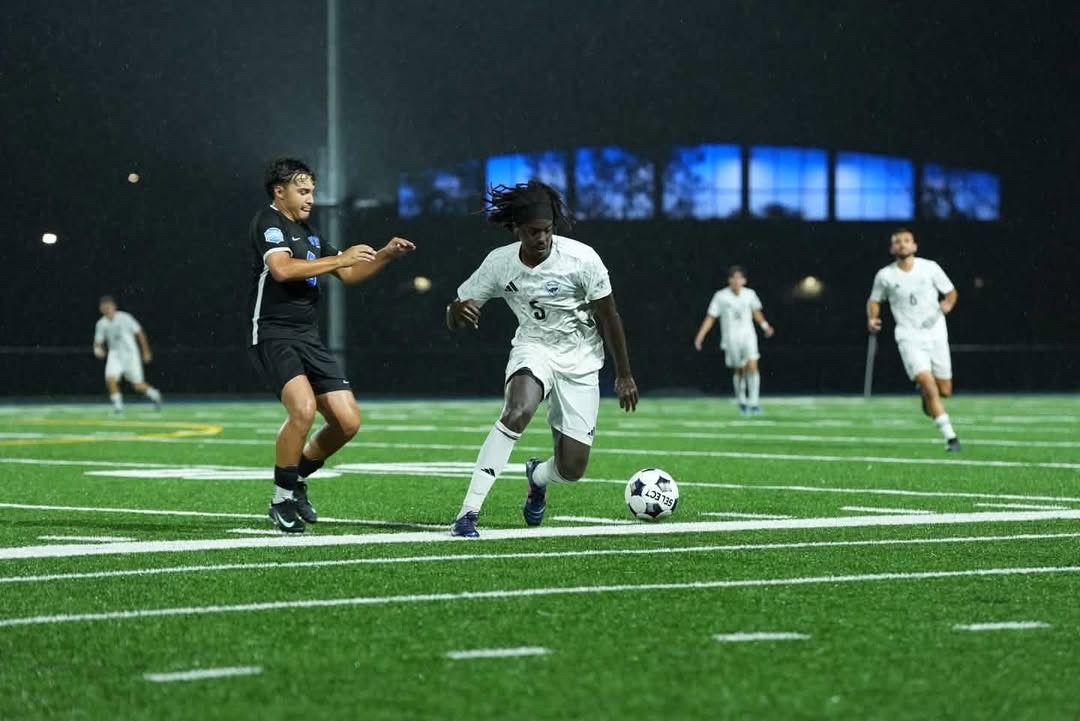
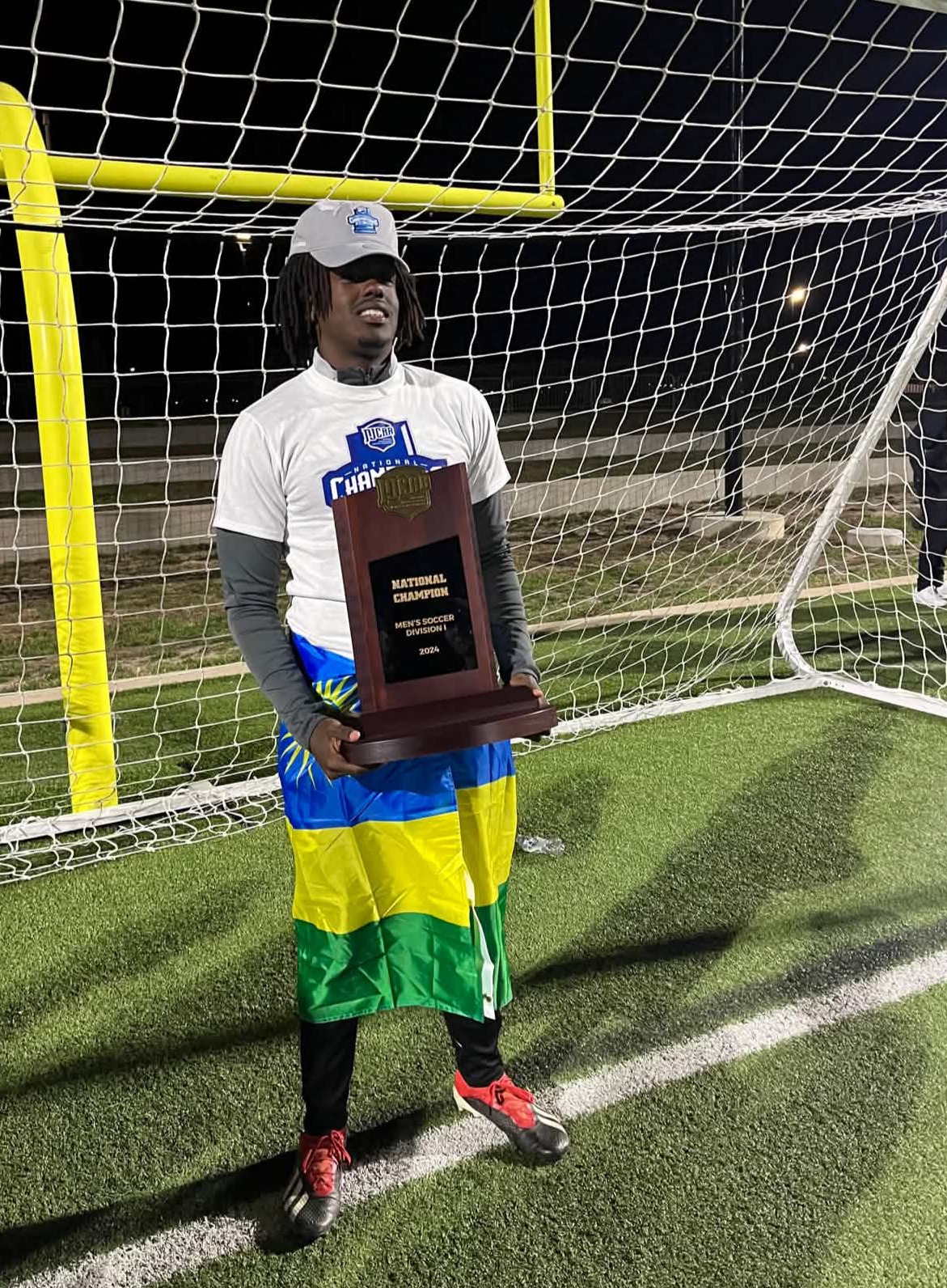
Karanganwa’s time at Iowa Western eventually reached the top of junior college soccer.
After redshirting his first season, Iowa Western captured the 2024 NJCAA Division I national championship. The Reivers’ championship run gave Karanganwa his first taste of collegiate success, while reinforcing the mentality that would eventually follow him to Marist.
“We went through some downs in the season, but we kept pushing,” Karanganwa said. “We did it.”
Karanganwa’s performances at Iowa Western eventually put him on Marist’s radar.
According to Marist assistant coach Ricky Cusano, head coach Matt Viggiano first identified Karanganwa while watching Iowa Western during its national championship run. Karanganwa said Cusano later saw his profile, connected with his agent, and helped move the recruitment process forward.
The recruitment process moved quickly. Cusano said Karanganwa committed to Marist on a Friday, with classes beginning just three days later.
Bringing in a player directly from junior college soccer is not Marist’s typical recruiting strategy. Cusano points to former Red Foxes Juan Parada and Svyatoslav Kozak as previous examples of players who came to Poughkeepsie through the junior college level, but both arrived multiple years before Karanganwa.
Viggiano and his staff looked to more experienced players this time around for a specific reason.
Marist’s 2026 recruiting class ultimately included seven freshmen, one redshirt freshman, Karanganwa as a junior transfer and two graduate transfers. Rather than filling the roster almost entirely with younger players, Cusano explained that the coaching staff wanted to add players who already experienced the college game.
Karanganwa was one of three more experienced newcomers added alongside graduate forward Mani Diop and graduate midfielder Gijs Velings.
“He’s got a great profile,” Cusano said. “He’s six-foot-two, left-footed, can really ping a ball, and he’s got really good feet for a big guy.”
For Karanganwa, the goal behind the move was much simpler.
“For me, I just wanted to go D1,” Karanganwa said.
Marist gave him that opportunity. With other Canadian players already in the program, Karanganwa also had another layer of familiarity as he prepared for his second major move in two years.
Karanganwa enrolled at Marist in spring of 2026 rather than waiting until the fall. He started every spring match, giving him several months to learn the new system, train with teammates, and adjust to Division I soccer before the competitive fall season began.
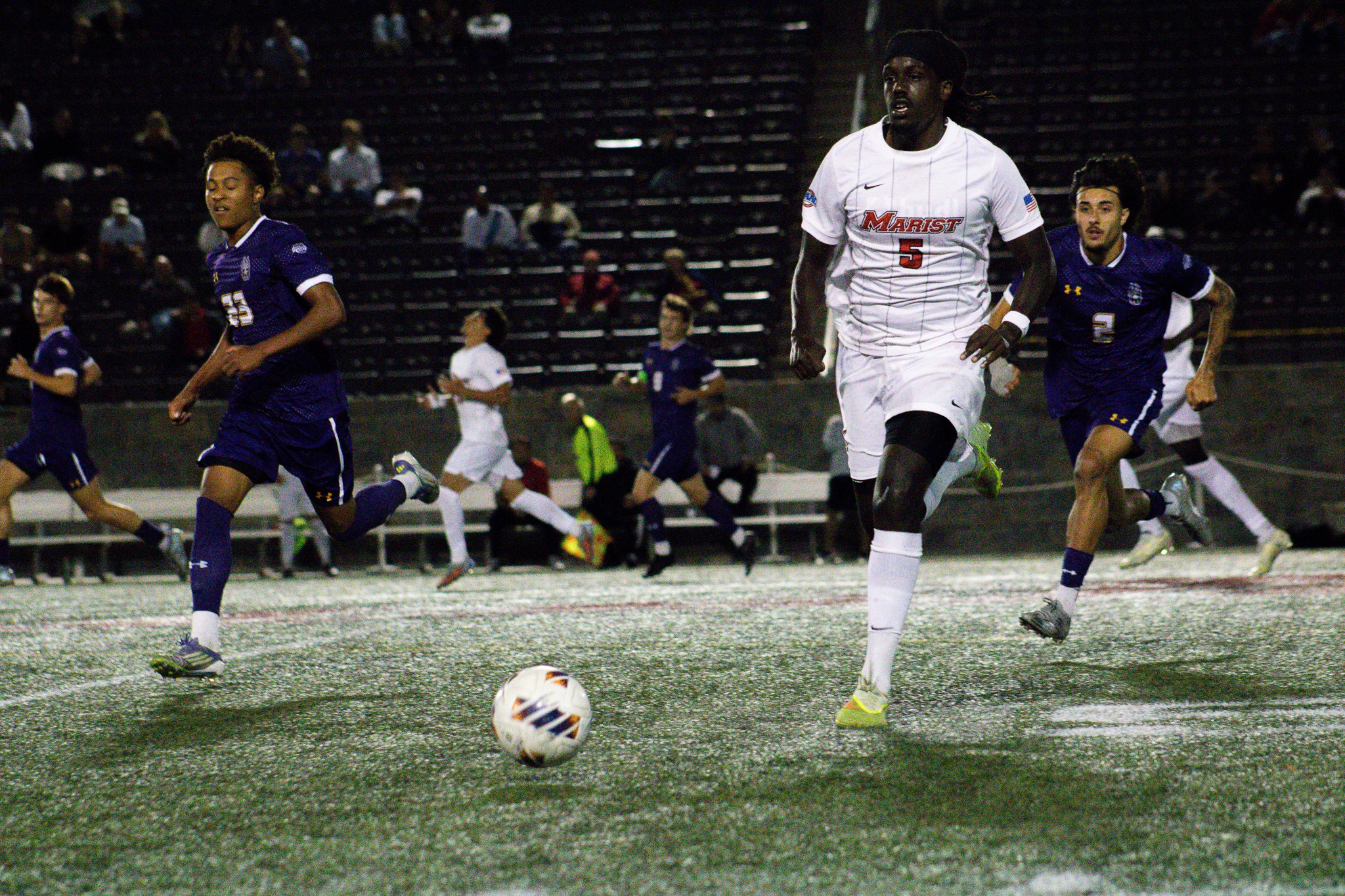
The differences between Iowa Western and Marist were immediately noticeable. Karanganwa pointed to everything from housing to facilities as examples of how much grander Marist’s environment felt. Even the McCann Center stood out to him as an example of the resources available at Marist.
However, on the field, the biggest adjustment wasn’t size; it was speed.
Both Cusano and Karanganwa noted how important the adjustment was.
“It is a change in the speed of play from junior college to D1,” Cusano said.
That made Karanganwa’s spring arrival particularly valuable. Instead of being thrown directly into meaningful fall matches, he had a full semester to become accustomed to the level.
“He did play spring games for us,” Cusano said. “It wasn’t like he just got thrown into the fall.”
As Karanganwa became more comfortable with the pace, Cusano saw his confidence grow over time. This adjustment on the field represented another step in a journey that had already forced Karanganwa to prove he belonged at the next level.
“JUCO, it’s kind of a grind,” Karanganwa said. “It’s not given.”
Junior college athletes often have only a short window to establish themselves before looking for their next opportunity.
“You have less resources, but you have to get results,” Karanganwa said.
That pressure was heightened for the many international players who surrounded Karanganwa at Iowa Western. For players hoping to continue their careers in the United States, strong performances could be the difference between earning another scholarship opportunity and seeing their path come to an end.
“You play with your life,” Karanganwa said. “If you want to stay in the States, you have to perform to be able to get recruited, get scholarships.”
Karanganwa did just that, turning his two years at Iowa Western into the Division I opportunity he once dreamed of.
The road from Quebec City to Division I soccer was never direct. It ran through a showcase, a small community college in the Midwest, a national championship, and countless moments of having to prove himself.
Karanganwa once described Iowa as being “in the middle of nowhere,” but for him, the road less traveled became the one that opened the door to Marist.
Edited by Ryan Eichem and Max Rosen
Graphic by Xavier Angel
Photo from Marist Athletics
For more coverage of Marist athletics, follow @cfmarist on Instagram, X, TikTok and Bluesky, and sign up to receive daily alerts here.